


Congress 4.0: Rethinking the Role of Scientific Meetings
Updated: Apr 14
Reflections by Giancarlo Leporatti
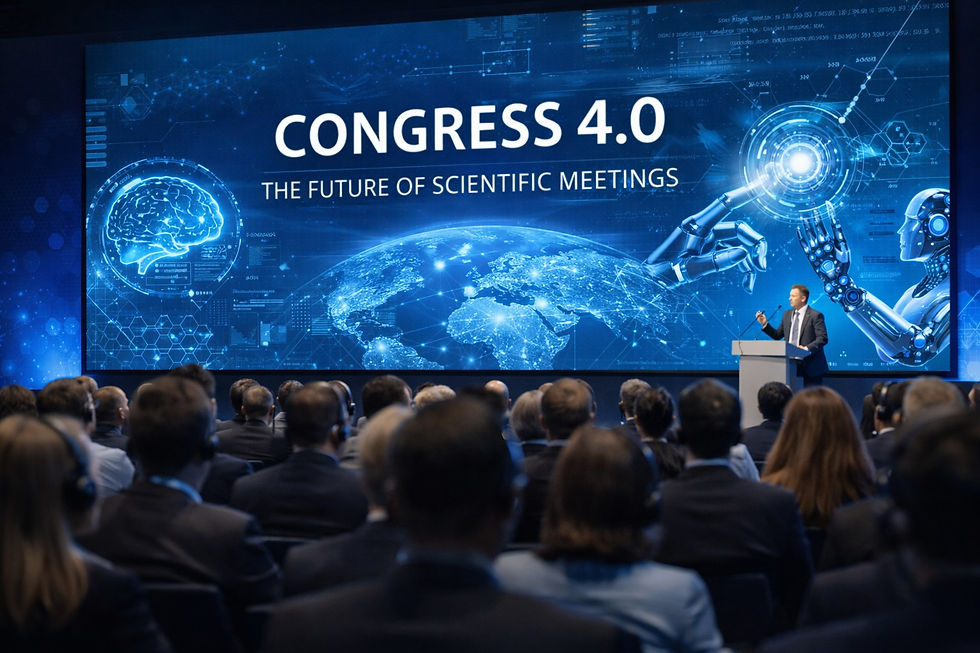
Scientific congresses are entering a phase of profound transformation. Technological change, new models of scientific collaboration and evolving expectations within the research community are reshaping the way medical meetings are organised and experienced.
During the Association Days Europe seminar dedicated to the future of scientific congresses, Giancarlo Leporatti introduced the concept of Congress 4.0, a framework that interprets the transformation currently affecting the congress environment and proposes a new way of thinking about the role of scientific meetings within the broader research ecosystem.
For many years, scientific congresses were primarily understood as events where research results were presented and discussed within specialised professional communities. While this function remains important, the environment in which scientific exchange takes place has changed dramatically.
Digital communication platforms, collaborative research networks and the rapid circulation of scientific information have transformed the way knowledge is shared. Researchers today interact continuously through online environments, international research programmes and specialised digital communities.
In this context, the traditional congress format cannot remain static.
The concept of Congress 4.0 suggests that scientific meetings must evolve from simple events into complex platforms for interaction, collaboration and strategic reflection.
Congress participation is no longer motivated solely by the need to access scientific information. Increasingly, delegates attend congresses to build professional relationships, identify new research partners and engage in interdisciplinary dialogue.
For this reason, the design of scientific meetings must take into account a broader set of objectives: facilitating collaboration, encouraging dialogue between different scientific disciplines and creating environments where new ideas and research initiatives can emerge.
Another important transformation concerns the role of destinations. Cities and venues are no longer simply logistical containers for congress activities. They have become active elements within the congress ecosystem, contributing to the overall experience and attractiveness of scientific meetings.
The quality of infrastructure, accessibility, technological support and the broader cultural environment all influence the capacity of a destination to host international scientific communities effectively.
At the same time, technological innovation is opening new possibilities for participation and communication. Hybrid formats, digital platforms and AI-supported tools are expanding access to congress content while enabling new forms of interaction.
However, these technologies do not eliminate the need for in-person meetings. On the contrary, they reinforce the importance of environments where researchers can engage directly with colleagues, exchange ideas and build long-term collaborations.
The challenge therefore lies in integrating technological innovation with the traditional strengths of scientific congresses: direct dialogue, professional networking and the collective development of knowledge.
Within this evolving landscape, initiatives such as Association Days Europe offer an opportunity to reflect on the future of scientific meetings and to facilitate dialogue between scientific communities and the organisations responsible for hosting international congresses.
Scientific congresses are not disappearing. They are transforming.
Understanding this transformation is essential for ensuring that congress platforms continue to support scientific collaboration and innovation in an increasingly interconnected research environment.
This article is based on remarks delivered during the Association Days Europe seminar on the future of scientific congresses.
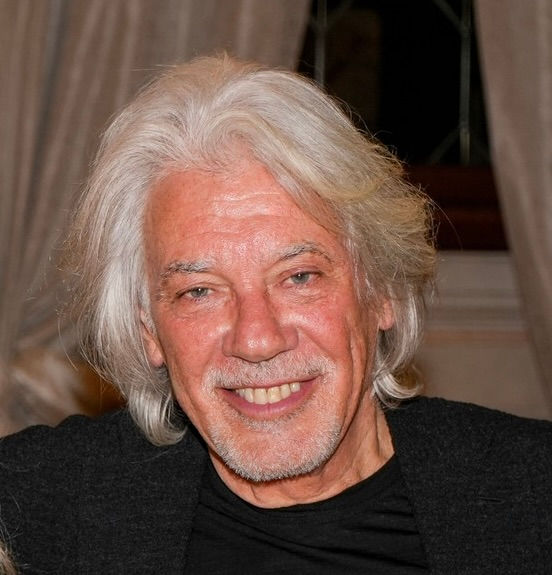
Giancarlo Leporatti
Giancarlo Leporatti is founder of Eureka MICE International and creator of Association Days Europe, a platform designed to facilitate dialogue between scientific communities and the organisations involved in hosting international congresses.
He is the author of the framework Congress 4.0, which analyses the transformation of scientific meetings in response to technological innovation, new collaboration models and evolving dynamics within the global research environment.
Insights from the Association Days Europe Seminar

This article is part of the Scientific Congress Insights editorial stream of the Congress Intelligence Journal, developed within the analytical framework of the Congress Intelligence Unit.
Association Days Europe
Association Days Europe brings together presidents and delegates of scientific societies with destinations and organisers involved in international congresses.
The event offers a space for dialogue on the evolving role of scientific meetings within the global research ecosystem.


Comments